The Alberta School-Based Mental Health Conference with Ross Greene, Ph.D.
Presented by
Ross Greene, Ph.D.
and Robert Kinscherff, Ph.D.
and Karen Levine, Ph.D
and Michelle Garcia Winner, MA, CCC-SLP
and Robbyn Peters Bennett, MA, LPC
and Steven G. Feifer, D.Ed., ABSNP
and Thomas H. Ollendick, Ph.D
and Judy Willis, MD, M.Ed.
Wednesday, October 28, 2015 – Friday, October 30, 2015
|
Calgary, ab
In-Person Registration Only
You are on the in-person registration page for this event. If you would like to attend online (live webinar or on-demand), please register through our Online Learning website.
 Important Notice:
95% of Tickets SOLD! Register today, space is limited.
Due to the popularity of this conference, the venue has been moved to The Coast Plaza Hotel and Conference Centre in Calgary, AB, in order to accommodate a larger group size comfortably.
Date & Location
Wednesday, October 28, 2015 – Friday, October 30, 2015
9:00am – 4:00pm
The Coast Plaza Hotel & Conference Centre
1316 33 St NE, Calgary, AB T2A 6B6, Canada
Phone: 403.248.8888
Website: http://www.coasthotels.com/
Greetings!
As you dash into your summer vacation, I wanted to make sure you’re aware of an exciting continuing education opportunity coming up in the fall. My non-profit, Lives in the Balance, is teaming up with Jack Hirose & Associates on the First Annual Alberta School Mental Health Conference, which will be taking place on October 28-30, 2015 in Calgary. We’ve put together what I think is an extremely dynamic, informative group of speakers, including Michelle Garcia Winner (Social Thinking), Dr. Thomas Ollendick (treatment of anxiety disorders in children and adolescents), Dr. Robert Kinscherff (risk assessment), Dr. Karen Levine (treatment of autism spectrum disorders), Dr. Steven Fiefer (neuropsychology of learning disabilities and related interventions), Dr. Judy Willis (neuroscience and learning, self-management, motivation, and perseverance), Robbyn Peters Bennett (trauma-informed care), and me (Collaborative & Proactive Solutions).
The goal, as always, is to do everything possible to ensure that all students – and especially those with social, emotional, and behavioral challenges – are understood and treated in the most humane, compassionate, effective ways, and my goal for this conference is to continue moving things in that direction. So I hope you’ll be able to join us for as many days of the conference as you possibly can.
Have a great summer!
Ross W. Greene, Founding Director
This event is co-sponsored by Lives in the Balance – A non-profit organization founded by Dr. Ross W. Greene

Who Should Attend
Education and Clinical Professionals: All education and mental health or healthcare professionals who work with children or youth including, but not limited to K–12 Classroom Teachers, School Counsellors, Learning Assistance/Resource Teachers, School Administrators, School Paraprofessionals including Special Education Assistants, Classroom Assistants and Childcare Workers • All other professionals who support behavioural challenges and complex learning needs including but not limited to: Nurses, Social Workers, Psychologists, Clinical Counsellors, Family Therapists, Occupational Therapists, Speech Language Pathologists, Addiction Counsellors, Youth Workers, Mental Health Workers, Probation Officers and Community Police Officers.
Clinical Professionals: All mental health professionals including, but not limited to Clinical Counsellors, Psychologists, Psychotherapists, Social Workers, Nurses, Occupational Therapists, Hospice and Palliative Care Workers, School Counsellors, Youth Workers, Mental Health Workers, Addiction Specialists, Marital & Family Therapists, Speech Language Pathologists, Vocational Rehabilitation Consultants and all professionals looking to enhance their therapeutic skills.
Agenda
Day 1 – Wednesday, October 28, 2015:
Morning Keynote – 9:00 am – 12:00 pm
A Collaborative Partnership: Forging Relationships and Developing Solutions for Our Most Vulnerable Youth
Presented by Ross W. Greene, Ph.D.
Do kids with social, emotional, and behavioural challenges need more carrots and sticks, or do they need help solving the problems that are affecting their lives? Why do the problems that affects kids lives so often result in conflict between them and their caregivers? What does the research on behaviourally challenging kids tell us about what they really need? In this keynote, Dr. Greene answers these questions…and more!
Concurrent Afternoon Workshops – 1:00 pm – 4:00 pm
Collaborative & Proactive Solutions Assessing Lagging Skills and Unsolved Problems
Presented by Ross W. Greene, Ph.D.
1:15 pm – 2:30 pm
If you want to proactively solve problems with kids, you need to identify those problems proactively. In this breakout group, Dr. Greene will provide an in-depth overview on the use of the instrument – the Assessment of Lagging Skills and Unsolved Problems (ALSUP) – to help you do it.
Collaborative & Proactive Solutions: Introduction to Solving Problems Collaboratively
Presented by Ross W. Greene, Ph.D.
2:45 pm – 4:00 pm
Partnering with kids on solving the problems that affect their lives can be hard for adults, at least until you’re good at it. In this break-out group, Dr. Greene provides an overview of the ingredients involved in solving problems collaboratively.
Violence and Youth, Part I: Violence Risk Assessment and Management
Presented by Robert Kinscherff, Ph.D.
1:15 pm – 2:30 pm
This workshop reviews research-based and developmentally-informed conceptualizations of violence among youth. The potential roles of mental disorders in contributing to violence risk among youth is discussed. Evidence-based assessment and intervention approaches are described with an emphasis upon community based strategies.
Violence and Youth, Part II: Operational Threat Assessment for Schools
Presented by Robert Kinscherff, Ph.D.
2:45 pm – 4:00 pm
This workshop presents an operational threat assessment model based upon the work of Dr. Dewey Cornell. Distinctions are made between “making a threat” and “posing a threat,” a conceptual trajectory towards a violent act is articulated, and an operational process for school officials to engage in “real time” threat assessment and management is presented.
Current Treatment Models for Children with ASD
Presented by Karen Levine, Ph.D.
1:15 pm – 2:30 pm
This workshop provides an overview of the spectrum of treatment models for children with Autism Spectrum Disorder. A range of approaches including Applied Behavior Analysis, Pivotal Response Training, and DIR/ Floortime will be discussed and illustrated with video clips. Group school based social skills models will also be discussed and illustrated.
Treatment of Anxiety in Children with ASD
Presented by Karen Levine, Ph.D
2:45 pm – 4:00 pm
Anxiety and emotional dysregulation are very common in children in children with autism spectrum disorders. This workshop illustrates how emotional dysregulation triggers can be conceptualized within a phobia treatment model and then illustrates specific approaches to treating common fears, phobias and meltdown triggers. Adaptation of CBT and uses of gradual exposure will be discussed.
Day 2 – Thursday, October 29, 2015:
Morning Keynote – 9:00 am – 12:00 pm
Exploring Social Thinking’s Core Teaching Frameworks & Related Teaching Strategies
Presented by Michelle Garcia Winner, MA, CCC-SLP
Social Thinking is a treatment methodology providing frameworks and related teaching strategies to help kids improve social skills. In this keynote address, Michelle, the originator of Social Thinking, will explore why we need to do more than simply teach social skills in order to help our students more effectively adapt their behaviour based on the situation and the people involved. Michelle will provide strategies that can be utilized at home and school.
Concurrent Afternoon Workshops – 1:00 pm – 4:00 pm
Collaborative & Proactive Solutions Assessing Lagging Skills and Unsolved Problems
Presented by Ross W. Greene, Ph.D.
1:15 pm – 2:30 pm
If you want to proactively solve problems with kids, you need to identify those problems proactively. In this breakout group, Dr. Greene will provide an in-depth overview on the use of the instrument – the Assessment of Lagging Skills and Unsolved Problems (ALSUP) – to help you do it.
Collaborative & Proactive Solutions: Beyond the Three Steps, Part I
Presented by Ross W. Greene, Ph.D.
2:45 pm – 4:00 pm
Making extensive use of video footage, Dr. Greene provides a more advanced look at the ins and outs of solving problems collaboratively with kids.
Trauma: What’s in a Word?
Presented by Robbyn Peters Bennett, MA, LPC
1:15 pm – 2:30 pm
Ms. Peters-Bennett will describe the neurodevelopmental effects of early abuse and neglect, the process of dissociation and hyper-arousal and its effect on the development of the four main areas of function in children (sensory processing, self regulation, relational skills, cognitive capability). She will discuss the continuum of harsh punishment and overt child abuse and the dose rate relationship to negative mental and physical outcomes.
Effective Treatment of Self-Regulation Difficulties
Presented by Robbyn Peters Bennett, MA, LPC
2:45 pm – 4:00 pm
In this workshop, Ms. Peters-Bennett will describe effective treatment of self regulation problems (often appearing as oppositional defiant disorder, conduct disorder, ADHD, anxiety, tantrums, bullying behaviours). This workshop will cover the overarching principles of positive discipline from a neurodevelopmentally informed perspective.
The Neuropsychology of Reading Disorders: A Framework for Effective Interventions
Presented by Steven G. Feifer, D.Ed., NCSP
1:15 pm – 2:30 pm
We will examine reading from a brain-based educational perspective, and classify developmental reading disorders into four distinct subtypes. Steven will discuss the Feifer Assessment of Reading battery, a comprehensive and innovative new reading test designed to examine the underlying cognitive and linguistic processes that supports proficient reading skills.
The Neuropsychology of Written Language Disorders: A Framework for Effective Interventions
Presented by Steven G. Feifer, D.Ed., NCSP
2:45 pm – 4:00 pm
This workshop will explore the neuropsychological underpinnings of the writing process to assist educators and mental health professionals in both diagnosing and remediating written language disorders in children. The ability to generate and produce written language requires multiple linguistic skills involving both phonological and orthographical functioning.
Day 3 – Friday, October 30, 2015:
Morning Keynote – 9:00 am – 12:00 pm
Neurological Strategies for Building Students’ Emotional Self-Management, Motivation, Perseverance, and their Construction of Neural Networks of Long-term Concept Memory
Presented by Judy Willis, M.D, M.Ed.
Stressors in the classroom, including boredom and frustration, can block input from reaching the prefrontal cortex to become memory. The brain’s stress-activated blockade also prevents the reflective executive function control system from communicating with the lower brain response centers. You’ll learn new strategies to promote the understanding necessary for students to construct neural networks of long-term, transferrable concept memory.
Concurrent Afternoon Workshops – 1:00 pm – 4:00 pm
Collaborative & Proactive Solutions Assessing Lagging Skills and Unsolved Problems
Presented by Ross W. Greene, Ph.D.
1:15 pm – 2:30 pm
If you want to proactively solve problems with kids, you need to identify those problems proactively. In this breakout group, Dr. Greene will provide an in-depth overview on the use of the instrument – the Assessment of Lagging Skills and Unsolved Problems (ALSUP) – to help you do it.
Collaborative & Proactive Solutions: Beyond the Three Steps, Part II
Presented by Ross W. Greene, Ph.D.
2:45 pm – 4:00 pm
Making extensive use of video footage, Dr. Greene provides a more advanced look at the ins and outs of solving problems collaboratively with kids.
Assessment of Childhood Anxiety Disorders
Presented by Thomas H. Ollendick, Ph.D.
1:15 pm – 2:30 pm
Anxiety disorders are highly prevalent in schools, and recognition and assessment are crucial to – and should set the stage for – effective treatment. In this breakout group, Dr. Ollendick will describe assessment strategies for anxiety disorders of childhood and adolescence.
Treatment of Childhood Anxiety Disorders
Presented by Thomas H. Ollendick, Ph.D.
2:45 pm – 4:00 pm
Often it’s thought that anxiety disorders must be treated exclusively in clinic-based settings. But effective intervention often takes place in the settings in which the anxiety occurs. In this breakout group, Dr. Ollendick will describe treatment strategies for various anxiety disorders of childhood
and adolescence.
Using Brain Research to Help Students Develop Their Executive Functions
Presented by Judy Willis, M.D, M.Ed.
1:15 pm – 2:30 pm
The information age in which today’s students live in is one where information and validity needs to be critically analyzed. The demands of the accelerated quantity of information incorporated into each grade level and the temptations of immediate gratification from video games and social media, mean today’s students need their executive functions to be at top efficiency. You will learn new strategies and recognize the ones you are already using that are most effective for activating the neuroplastic growth of the executive function networks during their peak of responsiveness. You’ll come away with plans ready to put into action to activate these critical skillsets for all learners in all grade levels and subject areas.
Using Brain Research to Help Students Develop Their Executive Functions (Continued)
Presented by Judy Willis, M.D, M.Ed.
2:45 pm – 4:00 pm
Continuation from above.
Your Presenters

Ross Greene, Ph.D.
Ross W. Greene, Ph.D., is the originator of the Collaborative Problem Solving approach (now known as Collaborative & Proactive Solutions), as described in his influential books The Explosive Child and Lost at School. Having served on the teaching faculty at Harvard Medical School for over 20 years, he is currently adjunct associate professor in the Department of Psychology at Virginia Tech and Director of the non-profit Lives in the Balance (www.livesinthebalance.org), which provides free, web-based resources on his model and advocates on behalf of behaviorally challenging kids and their parents, teachers, and other caregivers. He lectures widely throughout the world and lives in Portland, Maine, with his wife and two kids.
Testimonials
“The world is a better place because of your efforts to bring understanding to behaviourally challenged children. Thank you.”
-Edmonton, AB | April 14 – 16, 2014
“Amazing presentation and speaker! Best training I’ve been to since Grad School!”
-Oakville, ON | May 28 – 30, 2014
“Ross’s work is so excellent and so helpful. He always helps me to be a better psychologist for people with unsolved problems.”
-Dr. Allan | Oakville, ON | May 28 – 30, 2014
“Dr. Greene’s philosophy has hugely impacted my practices.”
-Lisa Bellireau | Edmonton, AB | April 14 – 16, 2014
“I found the three day training to be exceptional. Dr. Greene has given me a great deal to think about and put into practice. Thank you for varying the content and providing a pace that would allow reflection.”
-Edmonton, AB | April 14 – 16, 2014
“Very engaging speaker to bring clarity to complex issues.”
-Edmonton, AB | April 14 – 16, 2014
“Ross Greene is a phenomenal speaker. I could attend everything he would be presenting. He is amazing in content, presentation and interaction with the class. This subject will change my life with my wife and son.”
-Ross L | Edmonton, AB | April 14 – 16, 2014
“Amazing tone, pace and presence!”
-Oakville, ON | May 28 – 30, 2014
“My only regret is that my staff members are not here with me. This workshop was very informative. I thank you for sharing your knowledge.”
-Oakville, ON | May 28 – 30, 2014
“This was an incredible three days – I learned a lot about the program and even more about myself. I look forward to the opportunity to use this at my school.”
-Edmonton, AB | April 14 – 16, 2014
“Great course! For working with kids with disabilities (and their families), and also having my own child with challenging behavior – this model just makes sense!”
-Lindsay C (McMan Youth Family & Community)| Edmonton, AB | April 14 – 16, 2014
“Ross’ problem-solving approach is inspiring and refreshing. I felt like I was sitting in a room on the brink of a revolutionary movement of ideas for helping students solve their emotional problems.”
– Langley, BC | May 21, 2015
“Thank you! A common-sense approach that should be mandatory for every educator and teaching candidate! As well, every parent should use this approach to help develop well-adjusted children.”
– Scott Sieben, Principal | Langley, BC | May 21, 2015

Robert Kinscherff, Ph.D.
Robert Kinscherff, Ph.D., is a forensic and clinical psychologist, attorney, and Associate Vice President for Community Engagement at William James College. Dr. Kinscherff is also Faculty at the Center for Law, Brain and Behavior at Massachusetts General Hospital.

Karen Levine, Ph.D
Karen Levine, Ph.D., is a Licensed Psychologist. She focuses on the child’s social and emotional development conducting play based diagnostic evaluations, school consultations, treatment and consultations to families, educators, agencies and other professionals.

Michelle Garcia Winner, MA, CCC-SLP
Michelle Garcia Winner, MA, CCC-SLP, is a speech language pathologist who specializes in the treatment of students with social cognitive deficits at the Social Thinking Center, her clinic in San Jose. She travels around the world speaking on a multitude of topics relating to Social Thinking.

Robbyn Peters Bennett, MA, LPC
Robbyn Peters Bennett, MA, LPC, is a psychotherapist, educator, and child advocate who specializes in the treatment of mental health problems due to early abuse and neglect. She works with families involved with child protective services, the foster care system and adoption support.
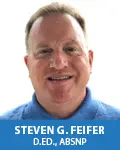
Steven G. Feifer, D.Ed., ABSNP
Steven G. Feifer, D.Ed., ABPdN is dually trained as both a nationally certified school psychologist and board certified pediatric neuropsychologist. He has more than 20 years of experience working directly in public education, and is currently in private practice assessing children in Frederick, Maryland. Dr. Feifer has earned numerous distinctions throughout his career including being awarded the Maryland School Psychologist of the Year, the National School Psychologist of the Year, and recently the Legends of School Psychology award. He remains a popular speaker at many state, national, and international conferences, and has authored eight books on learning and emotional disorders in children. Lastly, Dr. Feifer has also authored three tests on diagnosing learning disabilities in children, all of which are published by PAR.
Testimonials
“I love the speaker. He knows how to engage the audience and keep us focused. Interesting and applicable info and stories, very organized and will timed presentation.”
– Richmond, BC | December 2, 2019
“This professional learning workshop was very targeted and well organized. The presenter was well prepared and very knowledgeable. He explicitly connected the neuropsychology and the intervention piece. A very worthwhile and informative session.”
– Calgary, AB | November 1 – 2, 2018
“Very good presentation. Thorough scientific content. Very clear about information. Afternoon presentation, very clear, excellent content. This is a deeply competent, expert + well informed.”
– Langley, BC | November 20 – 22, 2017
“Congratulations Dr. Feifer on being one of the first American presenters I have heard who took the time to do research + make slides with Canadian info + statistics, when presenting in Canada!”
– Langley, BC | November 20 – 22, 2017
“Very engaging speaker – obviously passionate about what he does. Fantastic balance of theory/practical applications. Visual format of slides were easy to see/follow plus he used to guide his discussions but didn’t read off them. Feifer made the audience feel at ease and welcome to ask questions.”
– Saskatoon, SK | May 10 – 12, 2017
“Thank you so much for an interesting workshop. I enjoyed the information because the neuropsychology aspect is so important to why and where we need to go with literacy interventions.”
– Tracie McDonald | Winnipeg, MB | December 3, 2015
“Very much enjoyed Steven Feifer’s ability to translate neuropsychology concepts into practical insights.”
– Dan Ross | Calgary, AB | October 29, 2015
“Very well informed, important information, great sense of humour, and love of his area of study and the audience. Great!”
– Robert Paulet | Winnipeg, MB | December 3, 2015
“Presenter was excellent!”
– Winnipeg, MB | December 3, 2015
“Best workshop I’ve been to! Very practical and relevant to my needs with respect to my current caseload. Thank you!”
– Winnipeg, MB | December 3, 2015
“Dr. Feifer has helped me to solidify my understanding of how to assess and intervene on learning disabilities. I found this workshop to be extremely practical and I intend to use the information to improve my practice in school psychology.”
– Winnipeg, MB | December 3, 2015

Thomas H. Ollendick, Ph.D
Thomas H. Ollendick, Ph.D., is considered one of the eminent international authorities on anxiety disorders of childhood and adolescence. He is the author or co-author of over 300 research publications, 60 book chapters, and 25 books. He is the past Editor of the Journal of Clinical Child Psychology.

Judy Willis, MD, M.Ed.
Judy Willis, MD, M.Ed., a board-certified neurologist combined her 15 years as a practicing neurologist with ten subsequent years as a classroom teacher to become a leading authority in the neuroscience of learning. With her unique background as both in neuroscience and education, she has written seven books about applying neuroscience research to classroom teaching strategies.
After graduating Phi Beta Kappa as the first woman graduate from Williams College, Willis attended UCLA School of Medicine where she was awarded her medical degree. She remained at UCLA and completed a medical residency and neurology residency, including chief residency. She practiced neurology for 15 years before returning to university to obtain her teaching credential and Master’s of Education degree from the University of California, Santa Barbara. She then taught in elementary and middle school for 10 years.
Dr. Willis has served on the adjunct faculty of the University of California Santa Barbara Graduate School of Education and travels nationally and internationally giving presentations, workshops, and consulting about learning and the brain. She has been interviewed by USA Today, Euronews, The Wall Street Journal, NBC News Education Nation, ABC Australia Radio, Lateline Australia, Popular Mechanics, Neurology Today, USA Today, Education Week, Parenting Magazine among others, and writes staff expert blogs for NBC News Education Nation, Edutopia, Psychology Today, and The Guardian. In 2011 she was selected by Edutopia as a “Big Thinker on Education.”