Healing & Treating Trauma, Addictions, and Related Disorders Conference
Canada's 8th Annual Premier Psychotherapy Conference
Presented by
David Burns, M.D.
and Shari Geller, Ph.D.
and Lisa Firestone, Ph.D.
and Maggie Phillips, Ph.D.
and Robert Weiss, Ph.D., LCSW, CSAT
and Randy Paterson, Ph.D.
and Eric Gentry, Ph.D.
and Pat Love, Ed.D.
and Donald Altman, M.A., LPC
Monday, November 27, 2017 – Wednesday, November 29, 2017
|
Calgary, ab
In-Person Registration Only
You are on the in-person registration page for this event. If you would like to attend online (live webinar or on-demand), please register through our Online Learning website.
Download Brochure (.PDF)
 Important Notice:
Online registration is now CLOSED for this event. You can arrive up to one hour early to register at the door.
Donald Altman, M.A. will be presenting on Day 3, Wednesday, November 29 as Jeff Riggenbach, Ph.D. will no longer be presenting.
Date & Location
Monday, November 27, 2017 – Wednesday, November 29, 2017
8:30am – 4:30pm
The Coast Plaza Hotel & Conference Centre
1316 33 St NE, Calgary, AB T2A 6B6, Canada
Phone: 403.248.8888
Website: http://www.coasthotels.com/

Dear Colleague,
I am pleased to announce Canada’s 8th Annual Premier Psychotherapy Conference: Healing and Treating Trauma, Addictions and Related Disorders will be hosted in Calgary, Alberta, on November 27–29, 2017. Whether you are coming for the first time or attend this conference every year, all of us here at Jack Hirose and Associates are excited about assembling many of our field’s top presenters who will introduce a variety of exciting new topics.
Over the past seven years, our conference has trained over 2,800 mental health and education professionals. Our world class presenters will introduce cutting edge topics including: exceptional healing techniques in the treatment of post-traumatic conditions, treatment of sexual addiction, digital culture meet clinical culture, why sex sucks and love doesn’t last, mindfulness interventions for anxiety and depression, evidence – based treatment of personality disorders, core competencies of trauma, grief and loss, compassion fatigue and burnout, clinical strategies on sex and love, shame and addiction, healing yourself, fear of intimacy in couple therapy, skills vs pills, transforming therapeutic failure with CBT/TEAM techniques and more!
Since this conference is our flagship event of the year, we always strive to improve our program with the goal of attendees meeting or exceeding their personal learning objectives. The conference promises to offer you new skills, new techniques, new strategies and keep you motivated to excel in your clinical work. Please mark this event on your calendar, and I look forward to seeing you at the conference!

Who Should Attend
Clinical Professionals: All mental health professionals including, but not limited to Clinical Counsellors, Psychologists, Psychotherapists, Social Workers, Nurses, Occupational Therapists, Hospice and Palliative Care Workers, School Counsellors, Youth Workers, Mental Health Workers, Addiction Specialists, Marital & Family Therapists, Speech Language Pathologists, Vocational Rehabilitation Consultants and all professionals looking to enhance their therapeutic skills.
Agenda
────────────────────────
DAY 1 – Monday, November 27, 2017
────────────────────────
» 1st Keynote – 8:45am – 9:45am
When Helping Doesn’t Help: Transforming Therapeutic Failure into Success with TEAM-CBT
Presented by David Burns, M.D.
Dr. Burns argues that trying to help our clients is the cause of nearly all therapeutic failure. He will describe newly developed TEAM-CBT techniques for melting away therapeutic resistance, and illustrate these techniques with vignettes of individuals struggling with depression, anxiety, violence and drug abuse following severe trauma.
» 2nd Keynote – 9:45am – 10:45am
Transforming Your Clinical Practice: The Art and Science of Therapeutic Presence
Presented by Shari Geller, Ph.D.
Therapeutic presence (TP ) is the foundation for positive therapeutic relationships and effective therapy. Twenty years of research on the art and science of TP has led to a model that provides the groundwork for accessing presence in the moment. TP involves therapists using their whole self to be both fully engaged and receptively attuned in the moment, with and for the client, to promote safety and effective therapy. TP provides a neurophysiological experience of safety and security for trauma survivors, that allows them to feel heard, understood, seen and felt. To be most helpful to trauma survivors, therapists need to simultaneously be grounded and present in the moment while attuning to clients’ moment-to-moment experience. This activates a neurophysiological experience of safety, supporting clients to engage in optimal and effective therapeutic work. Further it serves to help therapists to remain centered in the face of difficult emotions while offering a therapeutic intervention that is precisely timed to the readiness of their clients. This type of relationship with the therapist provides a powerful buffer to the client’s trauma response through the coregulation of affect.
» 3rd Keynote – 11:00am – 12:00pm
Fear of Intimacy: Application to Couples Therapy
Presented by Lisa Firestone, Ph.D.
What prevents most people from being able to sustain romantic, meaningful relationships that satisfy their needs and desires? What are the factors that determine whether partners will end up experiencing love and fulfillment in their relationship or suffering, pain, and distress? This keynote helps answer these questions by providing participants with a theoretical model that integrates psychodynamic, existential, and family systems frameworks in a manner that can increase clinicians’ understanding of and ability to assist individuals in developing and maintaining intimacy in their relationships. In this presentation, I’ll explore the psychological roots of our fears about relationships and demonstrate how our early attachment patterns are often the root of these dynamics. Our fears of intimacy result from the influence of early childhood experiences and the (insecure) attachment patterns, or defensive adaptations developed to cope with our early interpersonal environment.
» Afternoon Concurrent Session Options – 1:15pm – 4:00pm
Ⓐ.① Healing Your Clients (1:15pm – 3:00pm)
Presented by David Burns, M.D
Dr. Burns will show video excerpts from his treatment of a mental health professional struggling with severe depression, anxiety, and rage following decades of domestic violence. You will see the transformation of utter despair and fear into profound feelings of joy, self-esteem, and even laughter in a single therapy session using the newly developed TEAM-CBT.
Ⓐ.② Healing Yourself (3:15pm – 4:30pm)
Presented by David Burns, M.D
Dr. Burns will show video excerpts from his treatment of a mental health professional struggling with severe depression, anxiety, and rage following decades of domestic violence. You will see the transformation of utter despair and fear into profound feelings of joy, self-esteem, and even laughter in a single therapy session using the newly developed TEAM-CBT.
Ⓑ Transforming Your Clinical Practice: The Art and Science of Therapeutic Presence
Presented by Shari Geller, Ph.D.
In this workshop we will learn about an empirically validated model of TP as a map to build and strengthen the skills of presence with clients. We will also explore the neurophysiological principles to creating safety with therapeutic presence, based on concepts such as co-regulation and neuroception of safety stemming from the polyvagal theory (Geller & Porges, 2014). We will also discuss challenges to TP and how to stay open and engaged when working with challenging clients.
Ⓒ Helping Clients Develop Secure Attachment: Making Sense of the Past to Empower the Future
Presented by Lisa Firestone, Ph.D.
Sparked by Bowlby’s original insights, attachment research has revolutionized our understanding of human development, the internal world, and the consequences of development gone awry. No other empirically-based theory tells us more about how we become who we are – and how to change who we have become. To varying degrees, we all carry around beliefs about ourselves and others from our earliest attachments that affect our behavior and the way we experience the world. Research shows that when people fail to make sense of their past, they find themselves reliving and recreating it, essentially re-experiencing old hurts over and over again. Attachment research demonstrates that making sense of the past is the best predictor of your ability to shape your future.
» Evening Session – 6:30pm – 8:30pm
Skills, Not Pills, for Depression and Anxiety: Controversies about the Causes of and Treatments for Depression & Anxiety
Presented by David Burns, M.D
────────────────────────
DAY 2 – Tuesday, November 28, 2017
────────────────────────
» 1st Keynote – 8:45am – 9:45am
Exceptional Healing Techniques in the Treatment of Post-Traumatic Conditions: From Surviving to Thriving
Presented by Maggie Phillips, Ph.D.
Among the most challenging problems related to trauma are emotional and physical pain, addiction as an unhealthy attempt at self-regulation, and fragmentation of the self due to dissociation and internalization of outer conflict. This keynote will offer Ego-State Parts Therapy as a method that can help to resolve these issues and promote self-integration and wellbeing. Emphasis is on developing a powerful toolkit that can enrich your current orientation to trauma therapy. In her keynote and afternoon workshop she will focus on strategies for stabilization, safety, strengthening, and empowerment that can also bring symptom relief while through work with the conflict-free self. She will introduce ego states that can serve as powerful resources as well as those burdened by trauma.
Topics include:
- • Definitions of Ego States and Ego-State Parts Therapy
- How to find & work with the conflict-free self
- The importance of secure attachment and developmental repair
- Working with ego states linked to survival responses
- Resolution of emotional and physical pain, addiction issues, and internal self-conflicts
- Moving towards positive engagement with self and others
- Building bottom-up somatic interventions as well as top-down
- How to identify and work with the dissociation spectrum
» 2nd Keynote – 9:45am – 10:45am
Digital Culture Meet Clinical Culture: An Ethical Case for Therapists to Dig Deeper
Presented by Robert Weiss, LCSW
In the late 1960s, we experienced the Generation Gap between our youth and adult populations. Today a similar Technology Gap exists between tech-novice therapists and their app- and device-savvy clients. As modern technology continues its generational and cultural influence, we are all drawn into increasingly sophisticated and immediately accessible online content and interconnectivity. While many aspects of this evolutionary process are both useful, even essential for today’s successful business and social interaction, increasing numbers of clients are also seeking treatment for addictive and problematic patterns online behavior that simply did not exist a mere decade or so ago.
» 3rd Keynote – 11:00am – 12:00pm
How to be Miserable: Using Paradox and Surprise in Psychotherapy
Presented by Randy Paterson, Ph.D.
The quality, accuracy, and evidence base of a therapist’s interventions are all important – but they are all completely irrelevant unless the client can hear and remember what we have to say. In this keynote we explore strategies for increasing the power of our work by saying the unexpected, exploring the apparent wrong direction, and introducing paradox in therapy. Broadly-useful strategies will be introduced as illustrations and as techniques that attendees can use with their own clients. These include the exercise at the core of the presenter’s recent book How to be Miserable, as well as counterintuitive concepts from acceptance and commitment therapy and family dynamics. We’ll discuss how bland calmness nullifies impact, how to produce an orienting response, and how to recognize transitory increases in client receptivity.
» Afternoon Concurrent Session Options – 1:15pm – 4:00pm
Ⓐ Exceptional Healing Techniques in the Treatment of Post-Traumatic Conditions: From Surviving to Thriving
Presented by Maggie Phillips, Ph.D.
Continued
Ⓑ The Assessment, Diagnosis of Treatment of Sexual Addiction (Hypersexuality) in the Digital Age
Presented by Robert Weiss, LCSW
Often misunderstood and misdiagnosed, the problem of sexual addiction- as well is one frequently presented by angry spouses who feel betrayed and men who have lost health, career and family-life goals to sexual acting out. This presentation by a well-known expert and author on sexual addiction treatment offers an overview of the questions and concerns most often asked by sex addicts (of all sexual orientations) and their spouses/partners. The material will offer a review of the diagnosis of sexual addiction, common behaviors and problems encountered by sex addicts along with direction toward eliminating problem sexual behavior. The relationship between sexual addiction and early trauma survival will be reviewed along with pertinent discussion about managing and pacing recovery in multiple related areas such as behavioral (additions) and emotional/relationship (intimacy problems).
Ⓒ Mindfulness Interventions for Anxiety & Depression
Presented by Randy Paterson, Ph.D.
Despite its current popularity, mindfulness does not offer a complete treatment package for any mental disorder. It does, however, provide us with a set of strategies to augment and enhance the effectiveness of existing evidence-based approaches. In this workshop we look at methods to integrate the practice of mindfulness with treatments for anxiety and depression. We will discuss the components of mindfulness and examine the practice of mindfulness of thought, emotion, and bodily sensation. You will learn how to incorporate mindful activities in client goal-setting, how to encourage mindful acceptance of uncomfortable emotional states, how to use mindfulness to enhance exposure-based interventions, and how to accept and sit with counterproductive temptations (such as the desire to avoid, retreat, or isolate) without putting them in the behavioural driver’s seat.
» Evening Session – 6:30pm – 8:00pm
This is a complimentary session open to all registrants as well as the general public.
How to be Miserable
Presented by Randy Paterson, Ph.D.
We all spend an inordinate amount of time trying to feel better. If I buy this car, marry this person, pursue this career, live in this city, wear these socks – I’ll be happy! Most of our life decisions are, one way or another, designed to improve our future emotional state. And we’re lousy at it. We’re not as happy as we’d like to be, and we keep making decisions that impair our happiness rather than contributing to it.
What if, for the space of one brief talk, we considered the opposite task? If your goal was to be more miserable, what would you do? Inspired by an exercise taken from work with depressed clients, Randy Paterson has written the just-released How to be Miserable: 40 Strategies You Already Use, a humourous look at our tendency to be our own worst enemies. Come to learn how – and why – you may be getting in the way of your own well-being. The talk is light and the path is easy to tread: It’s all downhill.
────────────────────────
DAY 3 – Wednesday, November 29, 2017
────────────────────────
» 1st Keynote – 8:45am – 9:45am
The Advanced Mindfulness Toolbox for Rewiring the Brain
Presented by Donald Altman, M.A.
This keynote will examine new research about mind wandering and how mindfulness can train the mind to stay present. Mindfulness can be used as a tool to keep patients from frequently mind wandering off into rumination about the past or into experiencing worry and anxiety about the future. Most importantly, mindfulness helps to provide a present moment context for feelings in the body, which is vital for helping patients but on the brakes and feel safe during those times that they are being triggered by trauma or craving. Mindfulness affects how the brain gets wired, and in this keynote you will learn why a mindfulness practice is essential for integrating the part of the brain implicated in the stress response–the amygdala–with the thinking brain’s pre-frontal cortex. In this way, patients gain a greater ability to regulate emotions. If you are working with cognitive therapy, you will find that mindfulness is a good fit because it enhances one’s ability for meta-cognition and inner reflection.
» 2nd Keynote – 9:45am – 10:45am
Compassion Fatigue & Burnout: Prevention and Resiliency
Presented by Eric Gentry, Ph.D.
This keynote explains how and why caregiving is toxic to the caregiver. It briefly clarifies the difference causes and symptoms of the two primary components of compassion fatigue—secondary traumatic stress and burnout. However, more importantly, this presentation reviews the skills and practices that have been demonstrated to provide the professional and volunteer caregiver with immunity to this toxicity. Dr. Gentry is the creator and facilitator of the one-day Professional Resilience & Optimization workshop. This workshop is an evidence-based effective treatment for the symptoms of compassion fatigue and demonstrates powerful enhanced resilience for participants. These effects have been reported in over ten peer-reviewed journal articles. Finally, this keynote will offer brief skills development for each of the five resilience skills that have lead to this demonstrated effectiveness.
» 3rd Keynote – 11:00am – 12:00pm
Why Sex Sucks and Love Doesn’t Last: Research Updates & Clinical Strategies on Sex & Love
Presented by Pat Love, Ed.D.
Relationships have changed drastically since the dawn of the 21st century. Dating, mating, single-life, sex-life, monogamy, matrimony, cohabitation, co-operation—all look different than one short generation ago. As if it weren’t challenging enough to keep up with pathological, technological, ethnic, educational, gender, geographic, socioeconomic, and sexual diversity, we now have the largest generational gap in modern history to contend with. The relationship expectations and mores that made total sense to the Boomers now baffle many Millennials.
» Afternoon Concurrent Session Options – 1:15pm – 4:00pm
Ⓐ The Advanced Mindfulness Toolbox for Rewiring the Brain
Presented by Donald Altman, M.A.
In the afternoon, you will learn a foundational body-breath-mind mindfulness meditation. Whether or not you have a background in mindfulness, this practice will help you understand and embody mindfulness in a very experiential way–vital when using mindfulness with clients. This core training will be expanded upon with some other very practical and effective tools for helping clients regulate emotions and get grounded safely in the present moment. You will explore how to use metaphor to expand the “mindfulness vocabulary” in order to make mindfulness accessible, regardless of a client’s age range or background. And because mindfulness is more than just a present moment focus, there will be an exploration of how to grow one’s “compassion container” through understanding suffering and increasing acceptance in the face of those impossible things that often happen in life.
Ⓑ Core Competencies of Trauma, PTSD, Grief & Loss
Presented by Eric Gentry, Ph.D.
This workshop ushers trauma treatment into the 21st Century. Drawing from a recently published article in the Journal of Counseling & Development (Gentry, Baranowsky & Rhoton, 2017), this workshop provides a clinical alternative to the “evidence-based treatment” model of treating traumatic stress that has permeated the field over the past ten years. Steeped in good science, this workshop presents cutting-edge research that distills the “active ingredients” indigenous to all effective treatments for traumatic stress and then catalyzes them into a treatment structure to both manage the treatment trajectory and as a delivery system for these active ingredients throughout the course of treatment. This workshop will provide the participant with skills for immediate implementation in each of the four states of the Empowerment & Resiliency Treatment Structure.
Ⓒ.① Where Trauma Goes to Live–and Die (1:15pm – 3:00pm)
Presented by Pat Love, Ed.D.
Most therapists are proficient at helping clients identify and gain awareness about traumatic events. Insight, however, does not equal change. To move beyond trauma, we must be able to help clients identify not just the traumatic experiences but the coping strategies and personal behaviors resulting from these events and in addition, help clients replace these behaviors with healthy alternatives.
Ⓒ.② Virtual Virulence: The Trauma, Shame & Addiction are Real (3:15pm – 4:30pm)
Presented by Pat Love, Ed.D.
Love in the time of Twitter has its own inherent dangers, and you don’t have to surf the dark web to find them. Internet dating, catch-andrelease relationships, cohort consciousness, porn on the playground, sexting and the netherworld of internet narcissism are all part of our daily lives, not an underground uncommon experience assigned to a few. Fortunately, how we navigate this world is still up to us, and healthy living begins with recognizing the seductive nature of technology.
Your Presenters

David Burns, M.D.
David Burns, M.D. is Clinical Associate Professor of Psychiatry and Behavioral Sciences at the Stanford University School of Medicine. He also has served as Visiting Scholar at the Harvard Medicine School and Acting Chief of Psychiatry at the Presbyterian University of Pennsylvania Medical Center in Philadelphia. Dr. Burns has authored six books on cognitive behavior therapy including his best-selling Feeling Good: The New Mood Therapy (1980), which has sold over four million copies. In a national survey, Feeling Good was rated #1 – from a list of over 1,000 self-help books – and is the most frequently recommended book by mental health professionals in the United States and Canada for clients suffering from depression. His most current work is titled When Panic Attacks.
Although he is best known for his work on psychotherapy, Dr. Burns has also done significant research on the central nervous system and received the A.E. Bennett Award for his studies of serotonin metabolism. Currently he is investigating variables associated with therapeutic success or failure. His research has been published in numerous scientific journals. Dr. Burns is a dynamic and engaging educator. Every year, thousands of mental health professionals attend his workshops. Dr. Burns also maintains a strong interest in public education. He was recently featured in a ninety minute PBS special on depression and received the Distinquished Contribution to Psychology through the Media Award from the Association of Applied and Preventive Psychology in 1995.
Testimonials
“This was an incredible life changing workshop. It was an absolute delight with excellent practical tools, opportunities to witness live personal healing and practice with each other.”
– Calgary, AB | July 15 – 18, 2019
“The most useful and life-changing workshop I’ve ever been to!”
– Calgary, AB | July 15 – 18, 2019
“This was an excellent workshop and valuable for many professions. Please keep bringing CBT workshops to Alberta! The workshop was both professionally and personally helpful, and powerful, and enlightening.”
– Sara Maraj | Banff, AB | July 17-20, 2017
“So great. Learned a huge amount. I am a somatic focused practitioner and have been resistant to working with CBT. This has definitely opened a huge doorway of interest. Thank you.”
– Richmond, BC | July 6-9, 2016
“Outstanding. Dr. Burns is competent, knowledgeable, and very practical. More than that, he is wonderfully human. His ability to bring himself and his own vulnerabilities into the room super infused this conference.”
– Dave Flynn | Banff, AB | July 17-20, 2017
“David Burns is extremely knowledgeable, an effective presenter and an expert in his field. The workshop has exceeded my expectations. Thank You!”
– Mayes Pillay | Banff, AB | July 17-20, 2017
“Dr. Burns was great. Exceeded my expectations. I was not expecting so much interaction. Going form the pages of the Feeling Good Handbook and 10 Days to Self-Esteem to 3D in person has been so much more helpful for me.”
– Murray Walters | Banff, AB | July 17-20, 2017
“Overall, very well done. I appreciated David taking these techniques and humanizing them. Makes me excited to get back to work and start using some of these techniques and start practicing to hone in on my skills. I would definitely attend another workshop provided by David Burns. So refreshing to see him take such an interest in his patients and their overall care.”
– Edmonton, AB | June 6-7, 2016
“Dr. Burns is a warm, humble man. I love his down-to-earth approach, his humour and his personable manner. I loved the role-plays. I can use those in my sessions. He is an expert in this field and it comes across in his workshops.”
– Megan Pomore | London, England | April 30-May 1, 2015
“This is the 2nd workshop I’ve taken with you and I’ve continued to be amazed at the power of this therapy. I look forward to continuing to learn more about TEAM and use it with my clients. Thank you so very much. God bless.”
– Lorian Quinlan | Edmonton, AB | June 6 – 7, 2016
“I have been to lots of workshops and this was in my top four – inspirational, enlightened, motivated, humbled.”
– London, England | April 30 – May 1, 2015
“I am very glad I made the journey to hear Dr. Burns. I have used his material for years and he has answered questions I needed answered!”
– Lea Connell | London, England | April 30 – May 1, 2015
“David, thanks for re-invigorating my professional passion!”
– Edmonton, AB | June 6 – 7, 2016
“This course has inspired me so much. It has convinced me that I will return to school for more training and education to fulfill my dream of becoming a certified therapist. Thank you so much, Dr. Burns!”
– Ed H (Enviros Wilderness Canada) | Edmonton, AB | May 7 & 8, 2014
“Enriching personally and professionally. Inspiring insight into human psychology. Entertaining delivery, conducted compassionately and respectfully.”
– Halifax, NS | June 9 & 10, 2014
“Wonderful skills for both professional and personal growth. I wish this was taught at university. I experienced so many emotions and grew my knowledge tremendously. This is the most human approach to human issues. Thank you!”
– Angela Massiah (Social Worker – Mental Health Clinician | Alberta Health Services) | Saskatoon, SK | July 2 – 5, 2014
“Best workshop I’ve been to.”
– Edmonton, AB | May 7 & 8, 2014
“Very pleased to have this caliber of speaker – just a dream come true!”
– Edmonton , AB | May 7 & 8, 2014
“Dr. Burns quite possibly helped me change my life this week. I am so grateful. What a generous spirit.”
– Burnaby, BC | July 7 – 10, 2014
“This is the second Burns workshop I have attended and both have been excellent. I feel more confident and motivated to employ the skills and strategies in my own practice, and am excited to do so. Thank you for an excellent workshop, I will definitely be back for future opportunities to learn from Dr. Burns.”
-Karen L (Mental Health Professional) | Edmonton, AB | May 7 & 8, 2014
“I am so grateful to have had your training session at the beginning of my counseling career. I feel hopeful and more prepared to provide effective therapy using your approach.”
-Diane Howe | Edmonton, AB | May 7 & 8, 2014
“I registered because I heard great things about this course and wanted to learn state-of-the-art material to enhance my skills. This course has done that and a whole lot more. Loved learning through role plays, both in listening and participating. Energizing – with humour and tears! I walked away tired and full!”
-Viki | Saskatoon, SK | July 2 – 5, 2014
“The training has renewed my passion for my profession and inspired me to pursue further training, perhaps even complete my Ph.D.”
-Tracy Laing | Burnaby, BC | July 7 – 10, 2014
“This was my second time attending one of David’s workshops and I am really glad I came. I needed the refresher and it really motivated me to start practice groups to really learn and implement the skills/tools. I am also planning to revisit how we deliver our programs so that we can incorporate the “TEAM” approach. I really appreciated the roleplays and demonstrations, they were most helpful.”
-Nancy S | Halifax, NS | June 9 & 10, 2014
“Thank you for enriching us and unselfishly sharing your wisdom. We need this desperately as therapists and as people.”
– Leonard Herrem | Saskatoon, SK | July 2 – 5, 2014
“I will be worshipping at the Burns alter for the next several years.”
-John Moore (Alberta Health Services) | Edmonton, AB | May 7 & 8, 2014
“You are the delightful exception in the world of therapists. As intense as the learning is – it is fun, exciting and life-changing! The real honesty shared by complete strangers in such a short time, with the result of complete healing, is a joy.”
-Barbara Levesque (Family Counseling) | Saskatoon, SK | July 2 – 5, 2014
“Dr. Burns has a wonderful presenting style. The opportunity to have roleplays was amazing learning. Thank you for your ‘realness’ and ‘humanness.’”
-Edmonton, AB | May 7 & 8, 2014
“This workshop and meeting Dr. Burns has been one of the greatest experiences of my life. I feel as if I am reborn. You are my guru, Dr. Burns! Thank you so much!”
-Rahel (McMan Youth – Family & Community Services) | Burnaby, BC | July 7 – 10, 2014
“This was an excellent workshop. This is the most practical application workshop I have ever been to. I’m excited to go back and start using the TEAM Model. Thank you, Dr. Burns is an inspiration to us all!”
-Patti Dekowny (Social Worker) | Saskatoon, SK | July 2 – 5, 2014
“I am really glad that I made the decision to do a second 4-Day Intensive. It has really helped solidify some of the concepts and techniques. I would highly recommend to anyone who is feeling overwhelmed with the material to go back to work and try these skills out, and then return to another intensive. It will give you so much more the second time around.”
-Sylvia Lai (MSW, RSW – St. Paul’s Hospital) | Burnaby | July 7 – 10, 2014
“Thank you so much for the opportunity to work with you, Dr. Burns. To be honest, when I got up on stage with you I wasn’t sure what to expect. I was blown away that I felt a real shift in perspective and revelation within the work, and that my view of myself is more realistic and better. I have tried other types of therapy and did not feel the change that I did in the two hours on stage with you. Thank you!”
-Nicole Espeseth (YWCA) | Saskatoon, SK | July 2-5, 2014
“I really enjoyed this course and see it as the start of developing raw techniques and becoming a better therapist. Dr. Burns’ approach and teaching methods resonated very strongly with me. Thoroughly enjoyable. Thank you.”
-Carolyn Taylor (Offshore Resilience, Ltd.) | London, UK | April 30 – May 1, 2015
“David’s commitment to facilitating progress in therapy, both in 1:1 sessions and in the profession as a whole is inspiring. Thank you – I have learned a lot, been challenged a lot, and laughed more than I expected! Warm wishes.”
– Caroline Williamson, M.A | London, UK | April 30 – May 1, 2015
“One of the best workshops I have attended. I feel much more confident in providing valuable therapy to my clients. The TEAM approach is truly invaluable. The instructor is phenomenal.”
– Al Kassam | Red Deer, AB | April 8 – 11, 2015
“Thank you for such an informative, skill-based, advanced therapy course. I am looking forward to walking into my office on Monday morning and implementing these techniques, even with a client who has already made a great deal of progress, as well as a client who appears to be resistant. I also appreciate your ability to continually model ‘checking your ego at the door’ and opening my ability to be able to disarm and agree in a genuine manner!”
– Annette Tucker | Red Deer, AB | April 8 – 11, 2015
“Dr. Burns’ workshop was inspirational. The techniques and methods he presented will be instrumental in working with my clients. This was a fantastic learning experience!”
– Nicola Rimke | Red Deer, AB | April 8 – 11, 2015
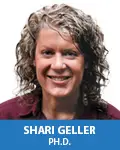
Shari Geller, Ph.D.
Shari Geller, Ph.D., is an author, clinical psychologist, and creator of the Therapeutic Rhythm and Mindfulness Program (TRM™). With over twenty years experience weaving psychology and mindfulness, Shari co-authored the book, Therapeutic Presence: A Mindful Approach to Effective Therapy. She has released a companion CD on cultivating presence, with guided practices using the healing power of music and the health benefits of mindfulness. Shari’s newly released book: A Practical Guide For Cultivating Therapeutic Presence, offers practical guidance for cultivating and strengthening therapeutic presence as a foundational approach. Shari serves on the teaching faculty in Health Psychology at York University and for the Applied Mindfulness Meditation (AMM) program at University of Toronto; and is Adjunct Professor in the Faculty of Music at the University of Toronto, in association with Music and Health Research Collaboratory (MaHRC). Shari is the co-director of the Centre for MindBody Health, in Toronto, Canada.
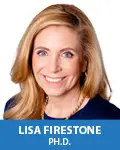
Lisa Firestone, Ph.D.
Lisa Firestone, Ph.D., has been a practicing clinical psychologist in Los Angeles and Santa Barbara, California. Lisa works as the Director of Research and Education at The Glendon Association and a Senior Editor at PsychAlive.org. She has published numerous professional articles, and most recently was the co-author of Sex and Love in Intimate Relationships. An accomplished and much requested lecturer, Lisa represents The Glendon Association at national and international conferences.
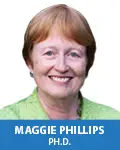
Maggie Phillips, Ph.D.
Maggie Phillips, Ph.D. is a licensed psychologist in full-time private practice in Oakland, California. She is director of the California Institute of Clinical Hypnosis and past-president of the Northern California Society of Clinical Hypnosis. She has served on the faculties of the American Society of Clinical Hypnosis (ASCH), American and European Congresses of Ericksonian Hypnosis and Psychotherapy, the Eye Movement Desensitization and Reprocessing International Association (EMDRIA), the Esalen Institute, the European Society of Hypnosis in Psychotherapy and Psychosomatic Medicine, the International Society of Hypnosis (ISH), The Professional School of Psychology, and the Society for Clinical and Experimental Hypnosis (SCEH). Dr. Phillips has led workshops on hypnosis, psychotherapy, the effects of childhood trauma, and reversing chronic pain in the U.K., Germany, Scandinavia, France, Japan, China, and Malaysia, and uses of energy therapies in mindbody healing.
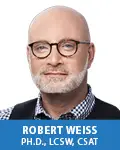
Robert Weiss, Ph.D., LCSW, CSAT
Robert Weiss Ph.D., LCSW, CSAT is a digital-age intimacy and relationships expert specializing in infidelity and addictions—most notably sex, porn, and love addiction.
- Author; Sex Addiction 101, Out of The Doghouse: A Step-by-Step Relationship-Saving Guide for Men Caught Cheating and Cruise Control: Understanding Sex Addiction in Gay Men
- Subject expert for multiple media outlets including CNN, HLN, MSNBC, and NPR
- Blogger for Psychology Today, Huffington Post, and Psych Central
- Skilled international clinical educator
- Creator of more than a dozen high-quality addiction and mental health treatment facilities and programs including residential, workshop, IOP and outpatient.
Rob is CEO of Seeking Integrity LLC, an online and real-world resource for recovery from infidelity and sex, and porn addiction. For more information or to reach Mr. Weiss, please visit www.seekingintegrity.org or www.sexandrelationshiphealing.com, or follow him on Twitter and facebook, @RobWeissMSW.
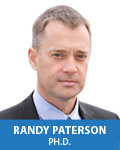
Randy Paterson, Ph.D.
Randy Paterson, Ph.D, R.Psych. is a psychologist and the founding director of Changeways Clinic, a private psychotherapy service in Vancouver BC. He is the author of How to be Miserable: 40 Strategies You Already Use, The Assertiveness Workbook, Your Depression Map, and Private Practice Made Simple. He is the lead author of Canada’s most widely used group treatment program for depression, co-author of the online Antidepressant Skills Workbook, and creator of multiple manuals and resource guides for clinicians. In addition to his clinical work, Dr Paterson provides educational training programs for mental health professionals across Canada, internationally, and online on topics including diversity awareness, communication skills, positive psychology, and treatment strategies for mood and anxiety disorders. Recently his clinical work has focused on the issues of emerging adulthood and the establishment of independence. His forthcoming book is How to be Miserable in Your Twenties: 40 Ways to Evade Adulthood.
Testimonials
“Excellent presenter: solid ideas, research-based, practical tools, enjoyable presenting style.”
– Glenn Rau | Fall 2017
“I like the presenter’s willingness to discuss cases that didn’t work out and what it taught him. This is consistent with the message given to struggling young adults.”
– Fall 2017
“Dr. Paterson was an excellent presenter. I very much enjoyed his frank, humorous, and well organized presentations. The supporting documents and resources were excellent and much appreciated. It was very important to share some case study experience as well; a brave approach for a presenter. The case study examples were very helpful as they allowed me to formulate a possible approach I would use to a similar situation using the content of this course.”
– Paul Ruben | Fall 2017
“Truly enjoyed Dr. Paterson’s clear teaching method. He included excellent examples and resources.”
– Fall 2017
“An incredible amount of information delivered in an effective manner. I will definitely use this information in my practice. It was relevant, clear and just makes so much sense. I also really enjoyed listening to his delivery, it came across as extremely genuine. Fully satisfied!”
– Beth Crystal | Fall 2017
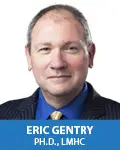
Eric Gentry, Ph.D.
Eric Gentry, Ph.D., is an internationally recognized leader in the field of disaster and clinical traumatology, having trained thousands of professionals and paraprofessionals worldwide in the treatment of traumatic stress. His doctorate is from Florida State University where he studied with Professor Charles Figley, one of the pioneers of traumatic stress. Dr. Gentry was one of the original faculty members of the Traumatology Institute and later became the co-director of the International Traumatology Institute at the University of South Florida. Dr. Gentry, along with Dr. Anna Baranowsky, is the co-author and co-owner of the Traumatology Institute Training Curriculum—17 courses in field and clinical traumatology leading to seven separate certifications. He is also a founding board member and vice-president of the International Association of Trauma Professionals (IATP). Dr. Gentry has been a clinical member of several CISM teams and has provided assistance in many different disaster and critical incidents including Oklahoma City, New York City, and hurricanes in Florida.
Testimonials
“Really enjoyed Dr. Gentry; appreciated his passion and down to earth delivery. Please bring him back for additional training. Day 3 was my favourite!”
– Calgary, AB | November 27 – 29, 2017
“Eric Gentry was absolutely amazing! Please bring him to Saskatchewan.”
– Calgary, AB | November 27 – 29, 2017
“This course was a game changer. I’m excited to leave with my new found tools in my tool belt and head back to work and get started.”
– Kelly | Winnipeg, MB | October 30 – 31, 2017
“One of the best workshops I’ve attended – very professional; good mix of information and interaction + skill-building. Excellent rapport with group and made so comfortable for open discussions of the subject matter.”
– Evelyn Steginus | Winnipeg, MB | October 30 – 31, 2017
“Eric is an excellent presenter. He is extremely knowledgeable and provides an informative relative workshop.”
– Winnipeg, MB | October 30 – 31, 2017
“Eric is fully engaging and anything but bland. Knowledgeable and helpful in explaining how to use the content in every day practice.”
– Winnipeg, MB | October 30 – 31, 2017
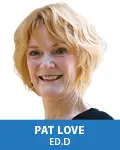
Pat Love, Ed.D.
Pat Love, Ed.D., (yes that is her real surname) has authored/co-authored six books, has written numerous professional publications, and has developed multiple training programs including Love Education™. Her work literally has taken her around the world to help people understand and improve their relationships.
Dr. Pat Love is known for her warmth, humour, and practical, research-based wisdom. Her blog posts, YouTube clips, books, trainings, workshops, and online courses have made her a popular go-to relationship consultant. Her work has been featured on TV, in cyberspace, and popular magazines, but she’s also a distinguished professor, licensed marriage and family therapist, and long-standing clinical member and approved supervisor in American Association for Marriage and Family Therapy.
Dr. Love received her doctor of education in counsellor education from West Virginia University. She was a tenured associate professor at Texas A&M University in Commerce, Texas for six years before establishing the Austin Family Institute in Austin, Texas. Dr. Love also served as president of the International Association for Marriage and Family Counselling.
Today, she continues following her passion to help others through her writing and as a relationship consultant, trainer, and workshop presenter.
Donald Altman, M.A., LPC
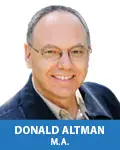
Donald Altman, M.A., LPC, was a staff writer for an EMMY-Award winning children’s television show (“The Magic Door,” CBS Chicago), won an American Medical Writer’s Association Award and has had articles appear in New Age Journal, the Los Angeles Times, and Independent Business Magazine. Donald reaches out to the professional community by serving as the vice president of The Center for Mindful Eating. Donald works extensively with mindful meditation in his own life, as well as offering these tools to others through his books and classes. He teaches mindfulness and spiritual values around the country. He is dedicated to bringing these ancient practices in tune with modern living and to invite wellness into our stress-filled lives. An avid motorcyclist, he enjoys riding his motorcycle along the beautiful Oregon coast. Donald is a psychotherapist, award-winning writer, former Buddhist monk, teacher and an adjunct professor at Lewis and Clark Graduate School of Education and Counseling. He is also a faculty member of the Interpersonal Neurobiology program at Portland State University and teaches various classes blending mindfulness and Interpersonal Neurobiology. A prolific writer whose career spans more than 25 years, Donald has authored several pioneering books on mindfulness. The Mindfulness Code was named as “One of the Best Spiritual Books of 2010.”
Testimonials
“Speaker was engaging, calm and enjoyed his style of presentation. He appeared to embody authentic mindfulness what he teaches. Thanks! “
– Edmonton, AB | December 4 – 5, 2017
“Well prepared, organized, such care and attention to materials and thoughtful in words, active presentation. So generous with materials, references, tips, books, research and with sharing all he has found helpful. Kind, attentive, grounded. He lives and practice mindfulness. All levels of professional practice skills have left with vast amount of useful materials.”
– Edmonton, AB | December 4 – 5, 2017
“Donald is a passionate and authentic speaker. He is engaging and makes the material he teaches easily to understand and implement into daily life and / or work with clients.”
– Edmonton, AB | December 4 – 5, 2017
“Donald is so knowledgeable and uses so many practices ways to teach mindfulness. It was great to experience mindfulness in this way! Thank you!”
– Edmonton, AB | December 4 – 5, 2017
“Thanks for sharing your wisdom Donald! How you organized lecture time, group sharing, videos, etc. really enhanced in being able to absorb the material/content. Thanks again, I have more tools to share with my clients.”
– Edmonton, AB | December 4 – 5, 2017
“I learned so much, and really enjoyed the 2 days. I was constantly impressed with the speaker.”
– Edmonton, AB | December 4 – 5, 2017
“This workshop will help me personally and help my clients. So helpful, so powerful.”
– Edmonton, AB | December 4 – 5, 2017